Full Coverage vs Liability Only: When Should You Drop Full Coverage?
 By Raimundo Oliveira ·
· 4 min read
Quick summary: Full coverage adds collision and comprehensive to liability, protecting your own car. Consider dropping them when their yearly cost exceeds about 10% of your car’s actual cash value — but keep them while the car is financed or leased.

“Full coverage” costs several times more than liability-only car insurance. As a car ages, that extra money may buy very little protection. This guide shows exactly what each option covers, how to calculate whether full coverage is still worth it and how to switch safely.
What “full coverage” really means
There is no official policy called “full coverage.” It is a common name for a policy that combines:
- Liability (bodily injury and property damage to others) — required by law.
- Collision — damage to your car from crashes, regardless of fault.
- Comprehensive — theft, fire, hail, flood, vandalism, falling objects, animal strikes.
Liability-only drops collision and comprehensive, so damage to your own car is not covered.
Side-by-side comparison
| Situation | Liability only | Full coverage |
|---|---|---|
| You hit another car | Their car and injuries covered (up to limits); your car is not | Both covered, minus your deductible |
| Someone hits you and is at fault | Their insurer pays your car (if insured) | Same, or your collision pays first |
| Your car is stolen | Not covered | Covered by comprehensive |
| Hail or a falling tree damages your car | Not covered | Covered by comprehensive |
| Hit-and-run | Not covered (unless UMPD applies in your state) | Covered by collision |
What each option costs
National averages in late 2026 were about $2,357/year for full coverage versus $650/year for minimum liability — a difference of roughly $1,700 per year. Your gap may be smaller if you keep higher liability limits, but collision and comprehensive are usually most of the cost.
When to drop full coverage: the math
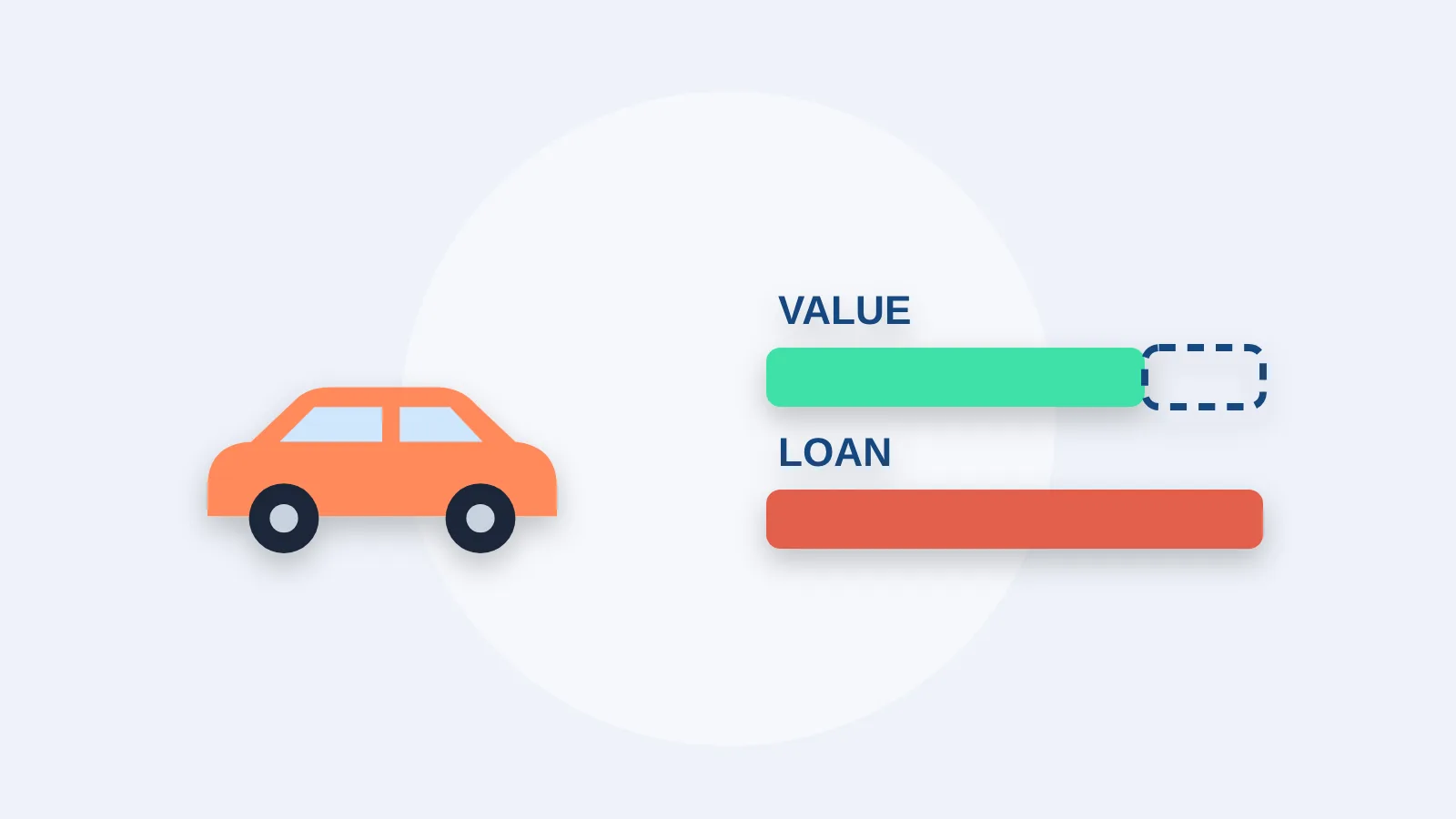
The maximum your insurer pays for your own car is its actual cash value (ACV) minus your deductible. Compare that to what you pay each year for collision and comprehensive.
The 10% rule
If your annual cost for collision + comprehensive is more than about 10% of your car’s value, consider dropping them.
| Car value (ACV) | Deductible | Max payout | Yearly collision + comp cost | Verdict |
|---|---|---|---|---|
| $25,000 | $1,000 | $24,000 | $1,200 | Keep full coverage |
| $8,000 | $1,000 | $7,000 | $900 | Borderline (11%) |
| $4,000 | $1,000 | $3,000 | $800 | Drop — you’d pay most of the car’s value in ~4 years |
Look up your car’s value on pricing guides such as Kelley Blue Book or Edmunds (use the private-party or trade-in value, which is closer to ACV).
When you should keep full coverage
- Your car is financed or leased — the lender requires it.
- You couldn’t afford to replace or repair the car out of pocket.
- You live where theft, hail or flooding is common.
- The car is newer or holds its value well.
- You drive a lot or commute in heavy traffic.
Middle-ground options
- Keep comprehensive, drop collision. Comprehensive is often cheap and protects against theft and weather.
- Raise deductibles from $500 to $1,000 or more.
- Raise liability while dropping collision. Protecting your savings matters more than protecting an old car.
- Keep uninsured motorist property damage (UMPD) where available; it can cover your car when an uninsured driver hits you.
How to switch to liability-only safely (step by step)
- Confirm the car is paid off and you hold the title.
- Check its current value and do the 10% math above.
- Put the savings into an emergency fund for repairs or a future car.
- Ask your insurer for quotes with and without collision/comprehensive.
- Keep liability limits high (at least 100/300/100) — see how much car insurance you need.
- Make the change at renewal or mid-term; confirm the new declarations page.
Common mistakes
- Dropping full coverage on a financed car (the lender can force-place expensive insurance).
- Cutting liability limits to minimum at the same time.
- Not having savings to replace the car if it is totaled.
Bottom line: keep full coverage while the car is financed, valuable or hard to replace. Once collision and comprehensive cost more than about 10% of the car’s value each year, switching to liability-only (with strong limits) often saves hundreds of dollars. More savings ideas: 10 ways to lower your car insurance.
General information, not personalized insurance advice. Coverage and pricing vary by insurer and state.
Frequently asked questions
What is the difference between full coverage and liability insurance?
Liability covers injuries and damage you cause to others. Full coverage adds collision and comprehensive, which pay to repair or replace your own car.
When should I drop full coverage?
When the annual cost of collision and comprehensive is more than about 10% of your car’s actual cash value, the car is paid off and you could afford to replace it.
Can I drop full coverage on a financed car?
No. Lenders and leasing companies require collision and comprehensive until the loan or lease is paid off.
Is it worth keeping comprehensive only?
Often yes. Comprehensive is usually inexpensive and protects against theft, hail, flood and fire even on older cars.
How much can I save by switching to liability only?
National averages suggest a difference of more than $1,000 per year, but your savings depend on your car, deductibles and liability limits.
Written by
Raimundo Oliveira
Founder & Editor, AllCover Quotes
Raimundo Oliveira is the founder and editor of AllCover Quotes and the Redevix network of websites. He is a digital publisher and SEO specialist who researches insurance topics using official sources — state insurance departments, government consumer resources and insurers’ own policy documents — and turns them into clear, practical guides. Raimundo is not a licensed insurance agent: his guides are educational and do not replace advice from a licensed professional.
Some links on AllCover Quotes may be partner links. If you request a quote or buy a policy through them we may earn a commission at no extra cost to you. This article is general information, not personalized insurance advice. Learn more.