What Is Gap Insurance and Do You Need It?
 By Raimundo Oliveira ·
· 4 min read
Quick summary: Gap insurance pays the difference between your car’s actual cash value and your loan or lease balance after a total loss. It is worth it with less than 20% down, long loans or negative equity, and is usually cheapest through your auto insurer rather than the dealership.
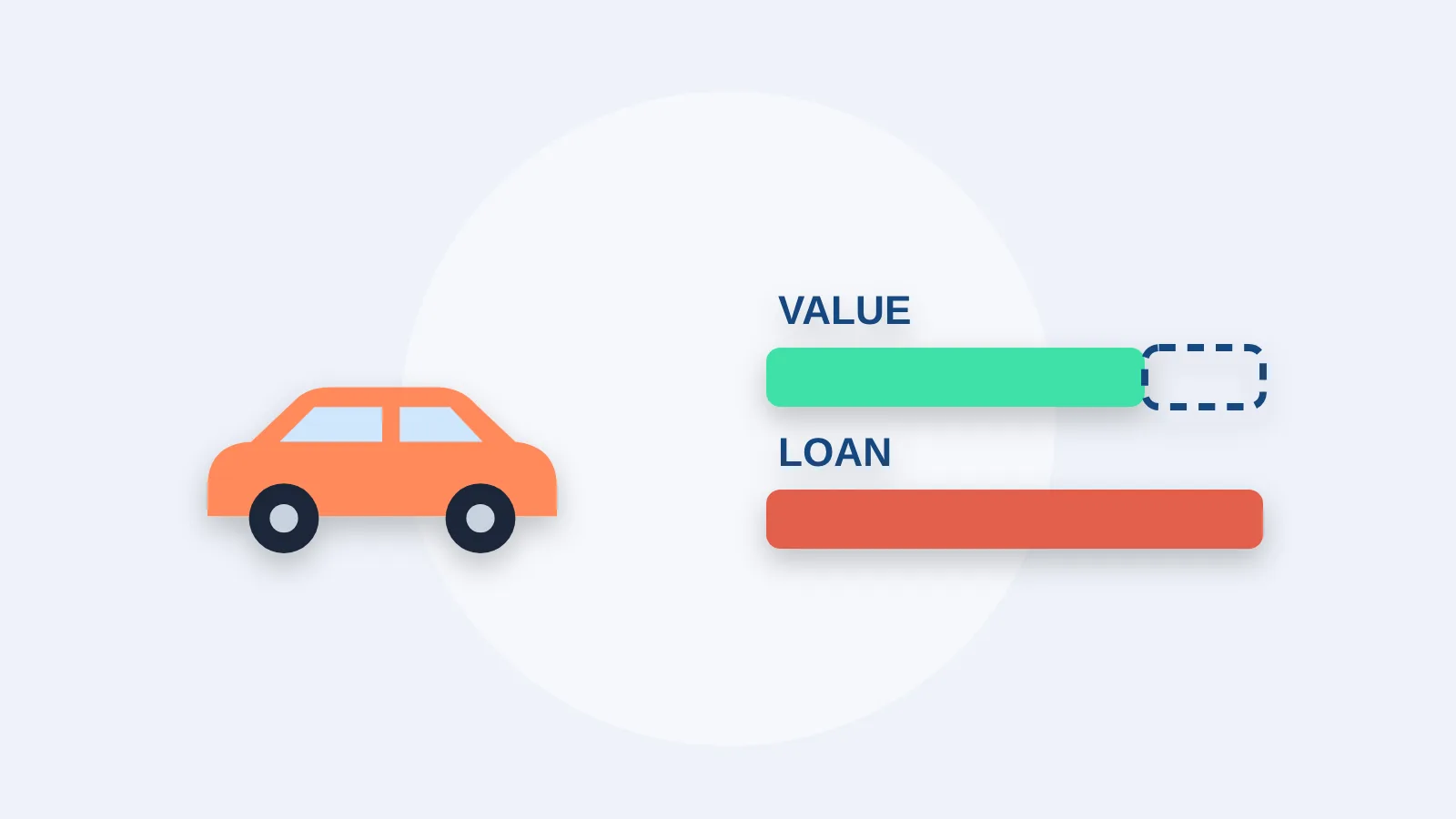
New cars lose value fast, and loans don’t shrink as quickly. If your car is totaled or stolen early in the loan, your insurer pays the car’s current value — which can be thousands less than what you still owe. Gap insurance pays that difference. Here is how it works, what it costs and where to buy it cheaply.
How gap insurance works
Gap stands for Guaranteed Asset Protection. When your car is declared a total loss, it covers the gap between:
- the actual cash value (ACV) your auto insurer pays, and
- the remaining balance on your loan or lease.
Example
| Item | Amount |
|---|---|
| Loan balance at the time of the crash | $32,000 |
| Car’s actual cash value | $26,000 |
| Collision deductible | $1,000 |
| Insurer pays (ACV − deductible) | $25,000 |
| Amount still owed without gap | $7,000 |
| Gap insurance pays | $6,000–$7,000 (some policies also cover the deductible) |
Do you need gap insurance?
You probably need it if
- You put less than 20% down.
- Your loan term is 60 months or longer.
- You rolled negative equity from a previous car into the new loan.
- You lease (many leases include or require gap).
- You bought a model that depreciates quickly or you drive many miles a year.
You probably don’t need it if
- You paid cash or made a large down payment.
- You owe less than the car is worth (positive equity).
- Your loan is short (36 months or less) and nearly paid.
Where to buy gap insurance (and what it costs)
| Source | Typical cost | Pros | Cons |
|---|---|---|---|
| Your auto insurer (added to collision/comprehensive) | Often only a few dollars a month | Cheapest; easy to cancel | Requires full coverage; not every insurer offers it |
| Bank or credit union | Usually a few hundred dollars, one time | Often cheaper than the dealer | May be rolled into the loan |
| Car dealership | Often several hundred dollars or more | Convenient at signing | Usually the most expensive; financing it adds interest |
Tip: you don’t have to buy gap at the dealership. Decline it, then add it through your insurer or credit union before you drive off — or within the window your insurer allows (often only for new or recently purchased cars).
What gap insurance does not cover
- Repairs that are not a total loss.
- Your deductible (unless your policy includes it).
- Extended warranties, credit life insurance or other add-ons rolled into the loan.
- Late fees, missed payments or excess-mileage charges on a lease.
- A replacement car (that’s “new car replacement” coverage, a different product).
Gap insurance vs new car replacement vs loan/lease payoff
| Coverage | What it pays |
|---|---|
| Gap insurance | Difference between ACV and the loan/lease balance |
| Loan/lease payoff | Similar, but often capped at a percentage of ACV (e.g., 25%) |
| New car replacement | Cost of a brand-new car of the same make and model, usually only for the first 1–2 years |
When to cancel gap insurance
- Check your loan balance and your car’s market value every 6–12 months.
- Once you owe less than the car is worth, gap no longer pays anything useful.
- Remove it from your auto policy, or request a prorated refund if you bought a one-time policy from a dealer or lender.
- If you pay off or refinance the loan, cancel and ask for the unused premium back.
How to file a gap claim
- File the total-loss claim with your auto insurer first.
- Get the settlement letter showing the ACV and deductible.
- Request a payoff statement from your lender.
- Submit both to the gap provider along with the police report and loan contract.
- Keep paying the loan until the claim is settled to protect your credit.
Bottom line: gap insurance is worth it if you financed most of a new car, have a long loan or lease, or rolled over negative equity. Buy it from your insurer or credit union rather than the dealer, and cancel it once you owe less than the car is worth. Choosing your other coverages? See how much car insurance you need.
General information, not personalized insurance advice. Terms vary by provider and state.
Frequently asked questions
What does gap insurance cover?
It pays the difference between what your auto insurer pays for a totaled or stolen car (its actual cash value) and what you still owe on the loan or lease.
Do I need gap insurance?
It is worth considering if you put less than 20% down, have a loan of 60 months or longer, rolled negative equity into the loan or are leasing.
Where is gap insurance cheapest?
Usually as an add-on from your auto insurer, followed by banks and credit unions. Dealerships typically charge the most.
Can I cancel gap insurance?
Yes. Once you owe less than the car is worth, cancel it and request a prorated refund if you prepaid.
Does gap insurance cover my deductible?
Some policies do and some do not. Check the terms before buying.
Written by
Raimundo Oliveira
Founder & Editor, AllCover Quotes
Raimundo Oliveira is the founder and editor of AllCover Quotes and the Redevix network of websites. He is a digital publisher and SEO specialist who researches insurance topics using official sources — state insurance departments, government consumer resources and insurers’ own policy documents — and turns them into clear, practical guides. Raimundo is not a licensed insurance agent: his guides are educational and do not replace advice from a licensed professional.
Some links on AllCover Quotes may be partner links. If you request a quote or buy a policy through them we may earn a commission at no extra cost to you. This article is general information, not personalized insurance advice. Learn more.