10 Smart Ways to Lower Your Car Insurance Premium
 By Raimundo Oliveira ·
· 3 min read
Quick summary: Lower your car insurance premium by comparing quotes before each renewal, bundling with home or renters insurance, raising your deductible wisely and asking for discounts like safe driver and low mileage.

Car insurance is a cost you pay every year, so even small savings add up. The good news: you can often lower your premium without giving up protection you need. Here are 10 proven ways to do it.
1. Shop around before every renewal
Insurers price risk differently, so the same driver can get very different quotes. Compare at least three quotes a few weeks before your policy renews. Our guide on how to compare insurance quotes shows how to do it fairly.
2. Bundle your policies
Buying auto and home or renters insurance from the same company usually earns a multi-policy discount. Still compare: sometimes two separate insurers cost less than one bundle.
3. Raise your deductible — carefully
Moving from a low to a higher deductible on collision and comprehensive coverage can reduce your premium. Only choose a deductible you could pay comfortably if you had a claim tomorrow.
4. Ask for every discount
- Safe driver or claims-free
- Good student and student away at school
- Defensive driving course
- Low mileage
- Anti-theft devices and safety features
- Paying in full, autopay and paperless billing
- Professional, military or alumni groups
5. Try usage-based insurance
Telematics programs track driving habits through an app or device. Careful drivers who drive less can earn meaningful discounts. Make sure you understand what data is collected and whether risky driving can raise your price.
6. Review coverage on older cars
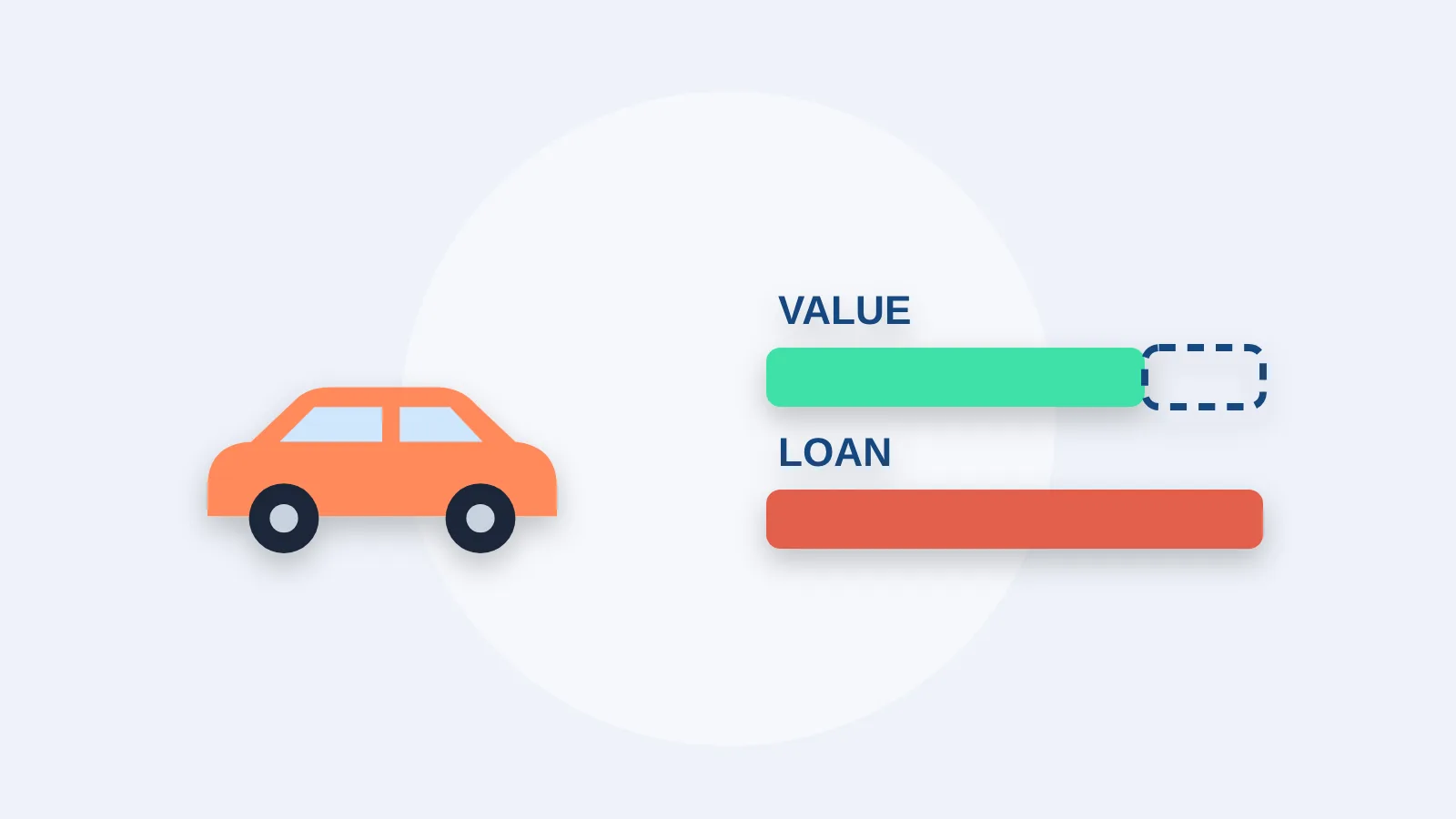
Collision and comprehensive pay up to the car’s actual cash value. If your car is worth little, those coverages may not be worth the cost. Keep liability coverage strong — it protects your savings if you injure someone.
7. Improve your driving record
Tickets and at-fault accidents raise premiums for several years. Driving safely is the most reliable long-term discount.
8. Mind your credit where it is used
In many U.S. states insurers can use a credit-based insurance score when pricing. Paying bills on time and keeping balances low can help over time. Some states limit or ban this practice.
9. Choose your next car with insurance in mind
Repair costs, safety ratings and theft rates affect premiums. Get a quote before you buy a new vehicle.
10. Update your insurer when life changes
Moving, working from home, marriage, a shorter commute or removing a driver can all reduce your premium — but only if your insurer knows.
What not to cut
Avoid choosing only the minimum liability required by your state to save a few dollars. A serious accident can cost far more than minimum limits cover, and you could be personally responsible for the rest.
Bottom line: compare quotes yearly, claim every discount and adjust deductibles and coverage to your car and budget.
This guide is general information, not personalized insurance advice. Discounts, rules and prices vary by insurer and state.
Frequently asked questions
How often should I shop for car insurance?
Review your policy and compare quotes at least once a year, and whenever something changes: you move, buy a car, add a driver or your credit or driving record improves.
Does raising my deductible lower my premium?
Usually yes. A higher deductible means you pay more out of pocket in a claim, so the insurer charges less. Choose a deductible you could pay comfortably tomorrow.
Should I drop full coverage on an older car?
If the car’s value is low, collision and comprehensive coverage may cost more than they could ever pay out. Compare the yearly cost of those coverages to the car’s value minus your deductible. If you have a loan or lease, the lender may require them.
Written by
Raimundo Oliveira
Founder & Editor, AllCover Quotes
Raimundo Oliveira is the founder and editor of AllCover Quotes and the Redevix network of websites. He is a digital publisher and SEO specialist who researches insurance topics using official sources — state insurance departments, government consumer resources and insurers’ own policy documents — and turns them into clear, practical guides. Raimundo is not a licensed insurance agent: his guides are educational and do not replace advice from a licensed professional.
Some links on AllCover Quotes may be partner links. If you request a quote or buy a policy through them we may earn a commission at no extra cost to you. This article is general information, not personalized insurance advice. Learn more.